Databases
Why more teams are running SQLite in production
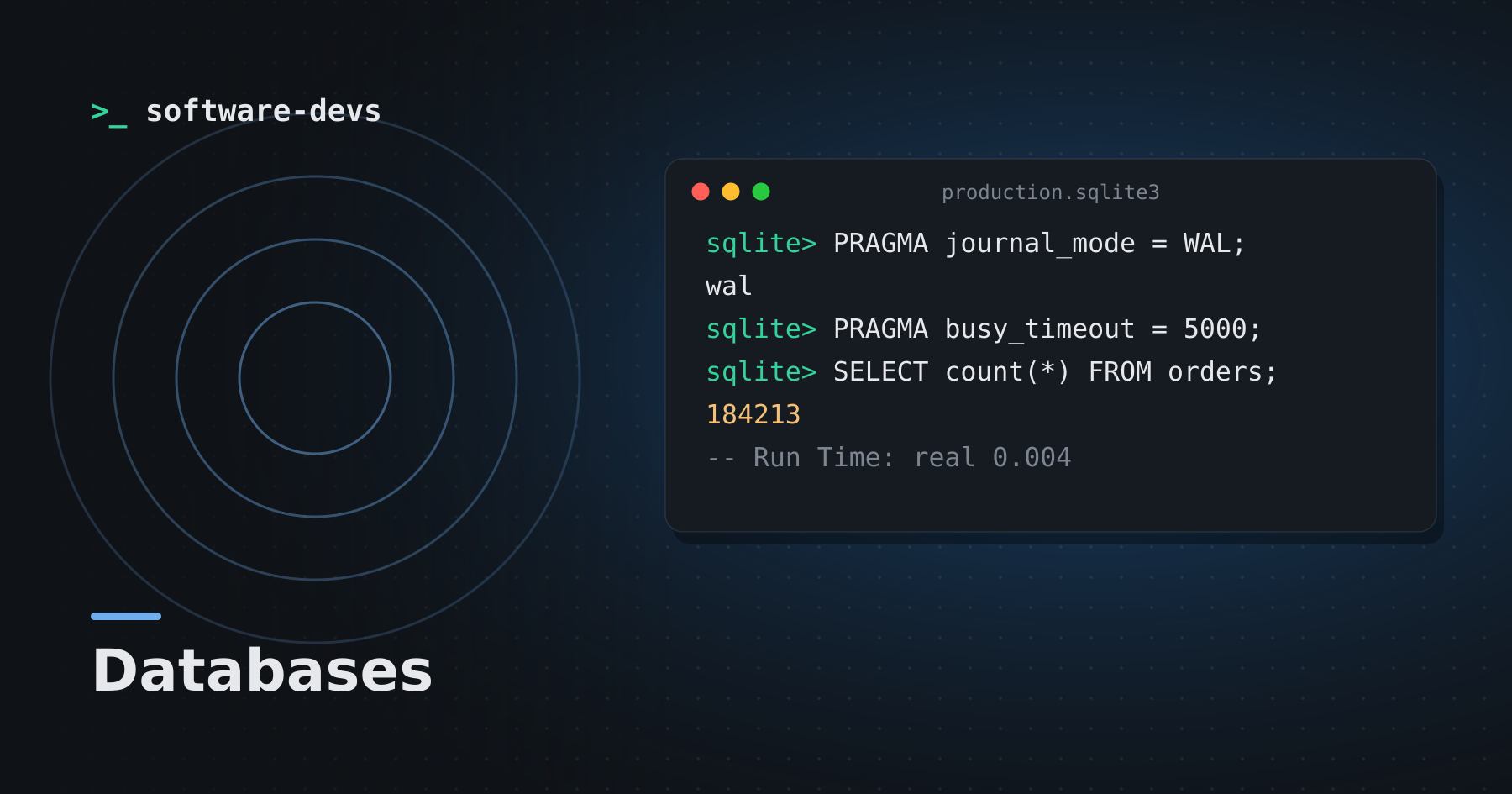
Once dismissed as a toy, SQLite now powers serious web apps. WAL mode, fast NVMe disks and better tooling changed the math.
Staff Writer
Writes about web frameworks, databases and keeping things simple.
Once dismissed as a toy, SQLite now powers serious web apps. WAL mode, fast NVMe disks and better tooling changed the math.
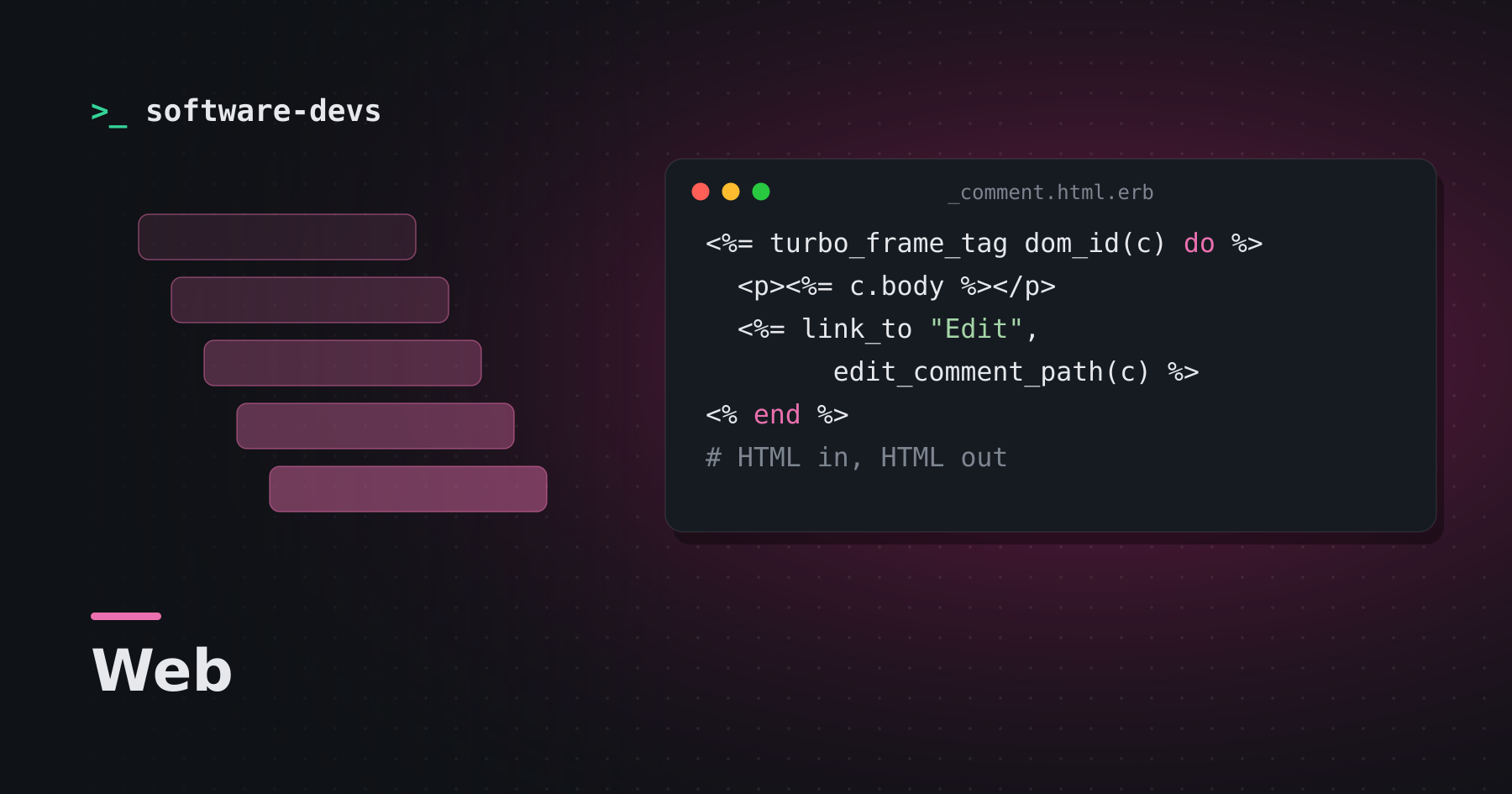
Server-rendered HTML plus a little JavaScript can deliver app-like interfaces. Here's how the HTML-over-the-wire approach works and where it stops being a good idea.
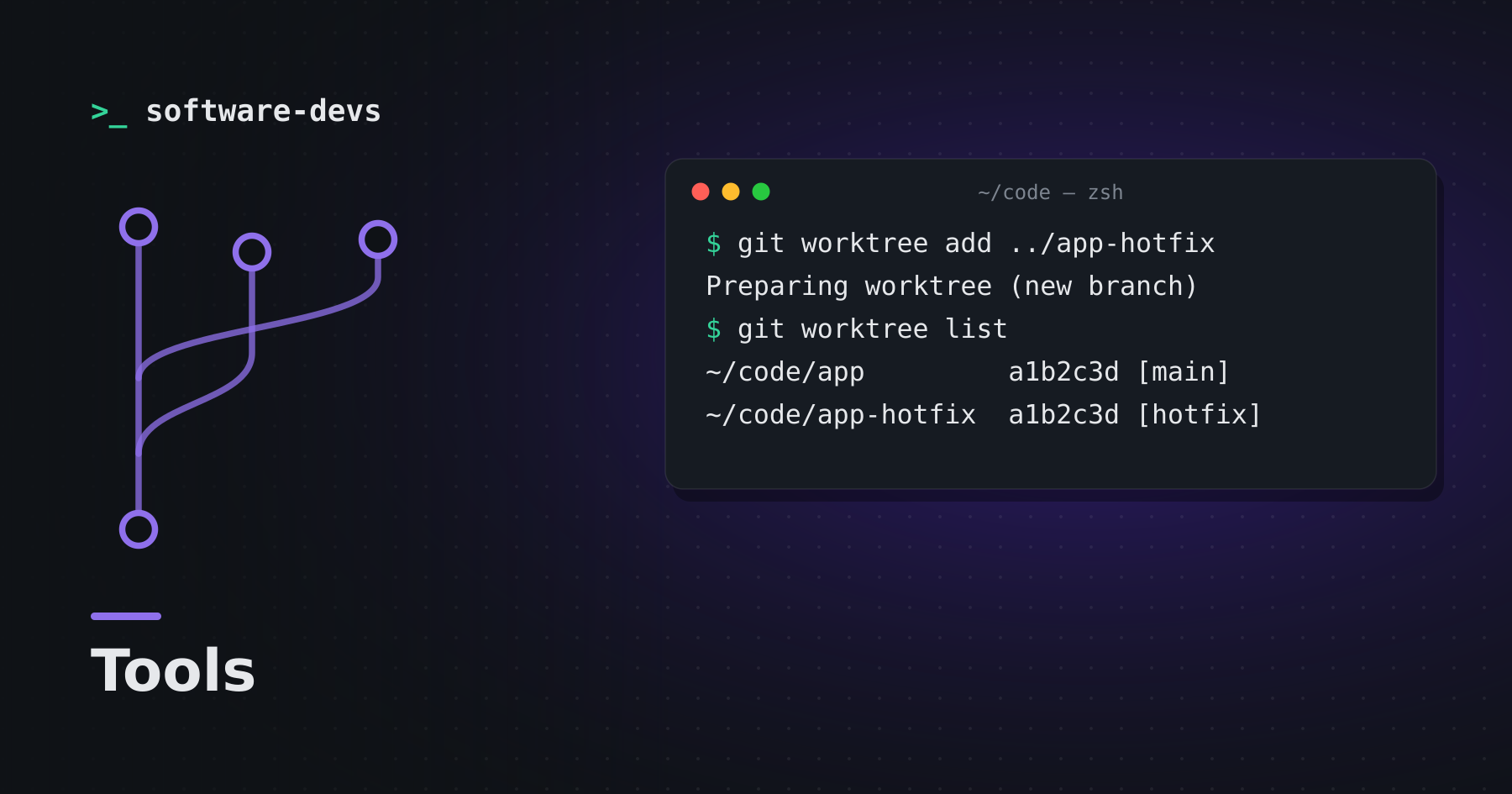
Worktrees let you check out several branches of the same repository side by side. They're built into git and remarkably underused.
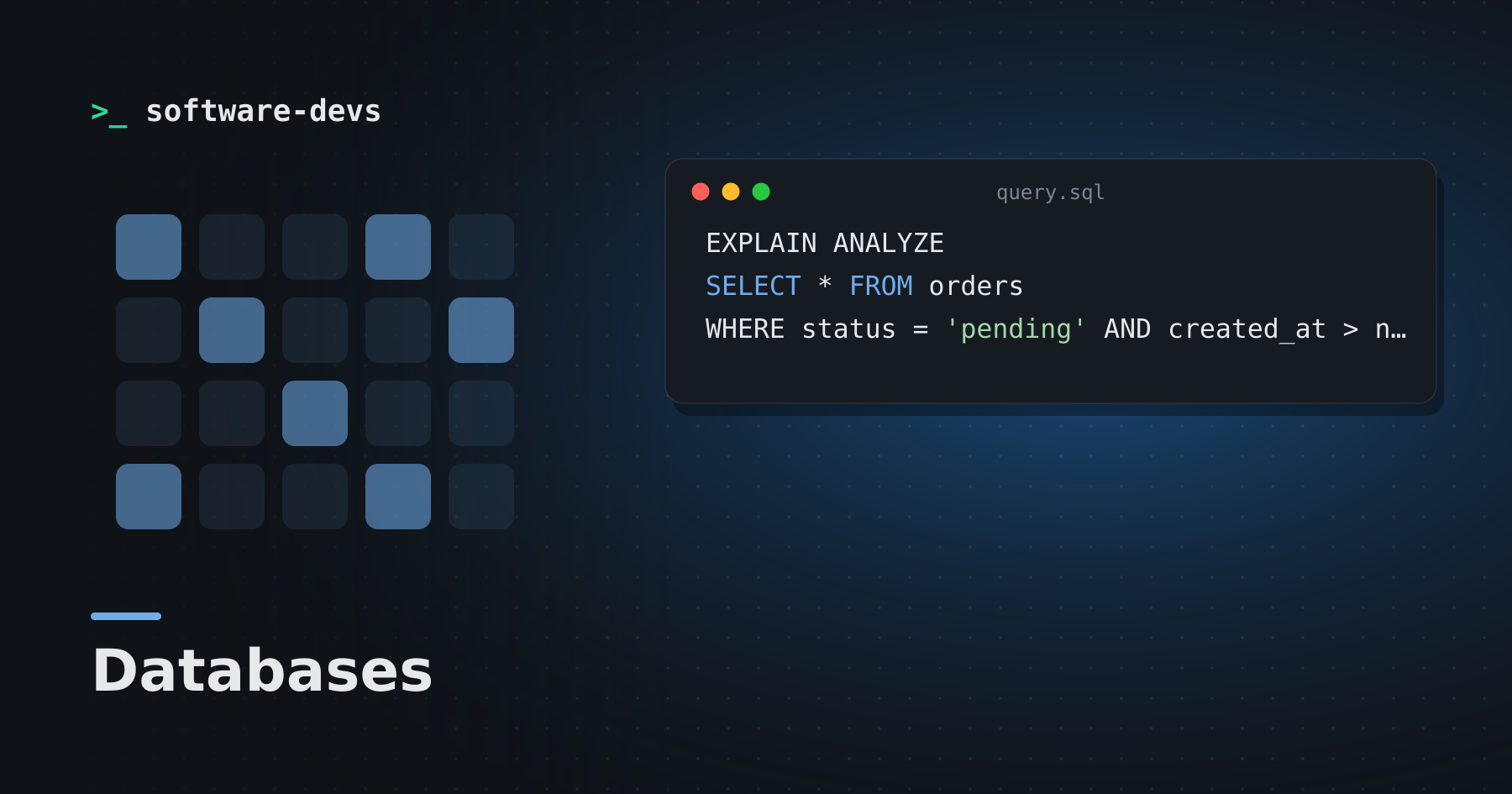
A plain B-tree index on the right column solves most problems. For the rest, Postgres has index types that are smaller, faster and more precise.
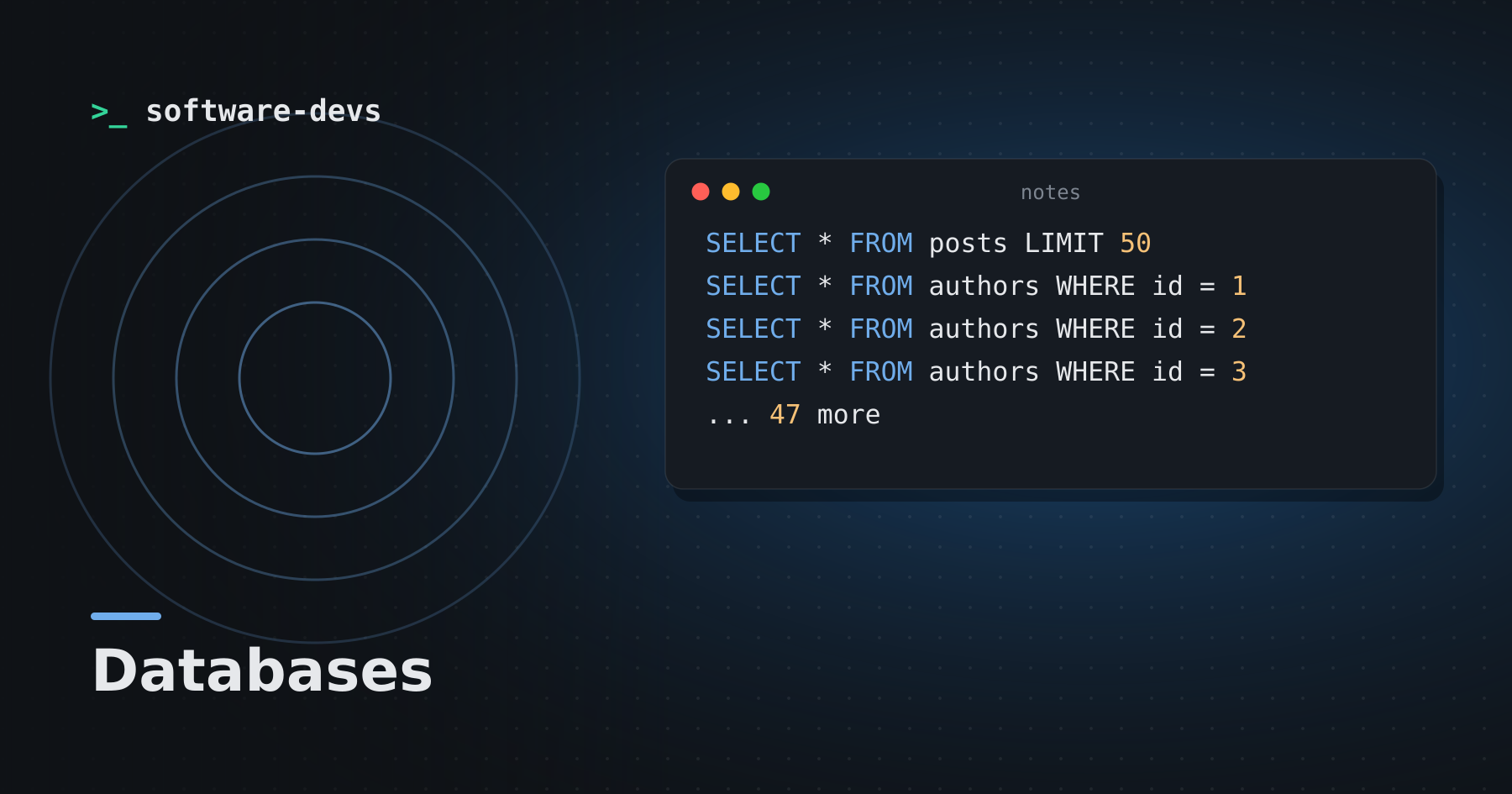
The most common ORM performance bug hides in plain sight in your logs. Eager loading fixes it — once you know where to look.
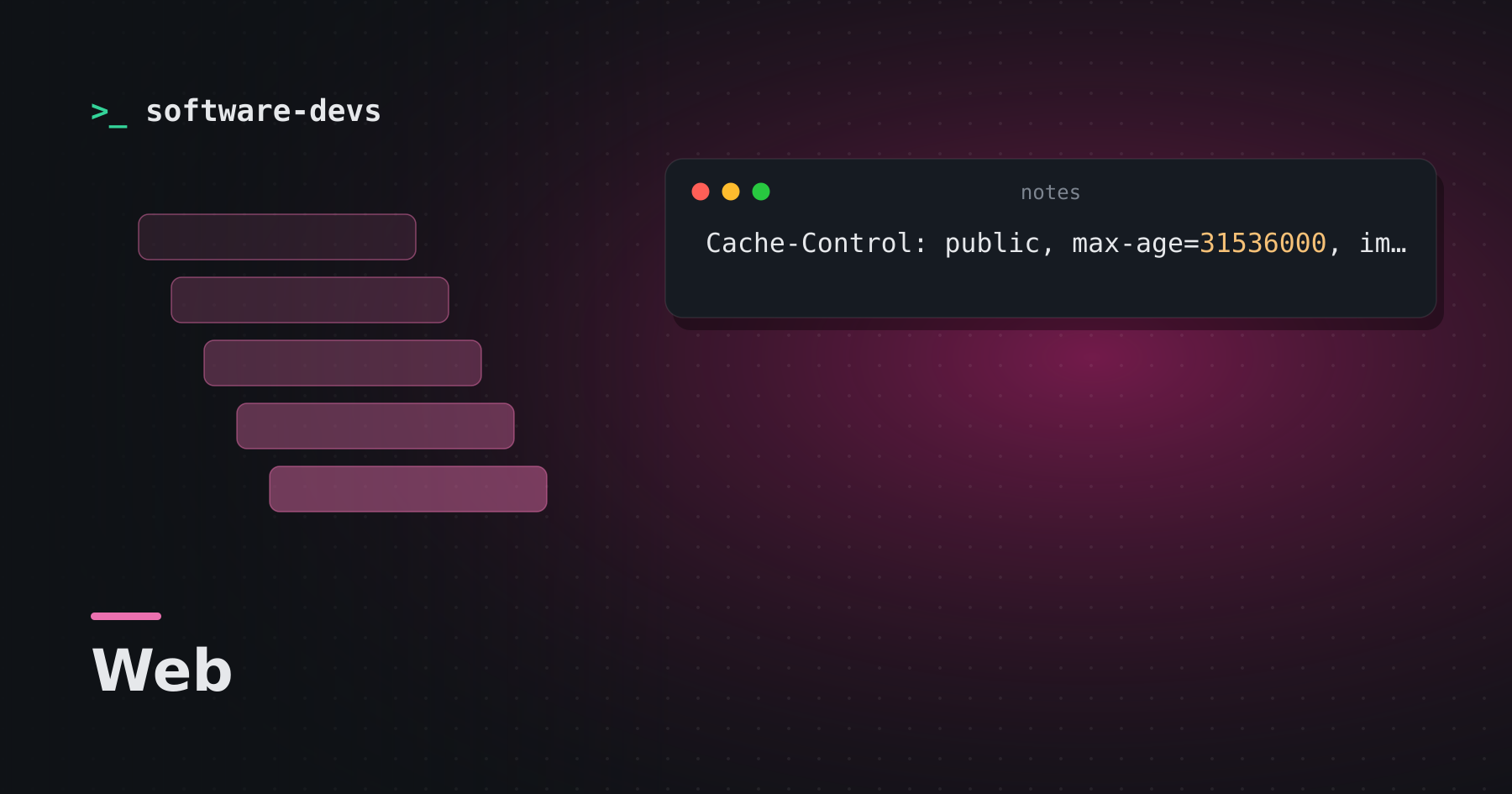
The fastest request is the one that never reaches your server. A practical guide to the headers that control browser and CDN caching.
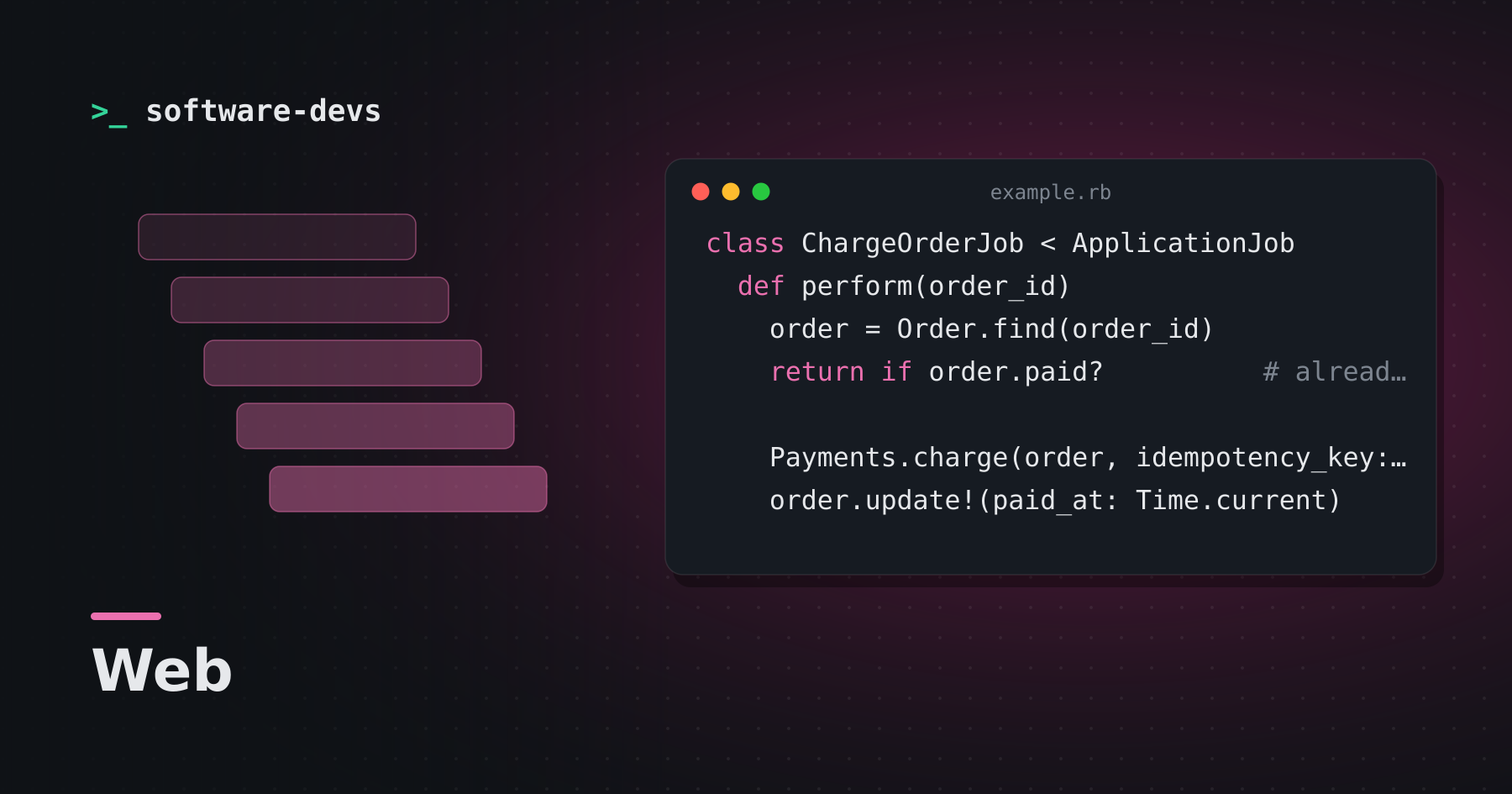
Jobs will run twice, run late and fail halfway. Designing for that from the start is what separates a reliable queue from a source of 3 a.m. pages.
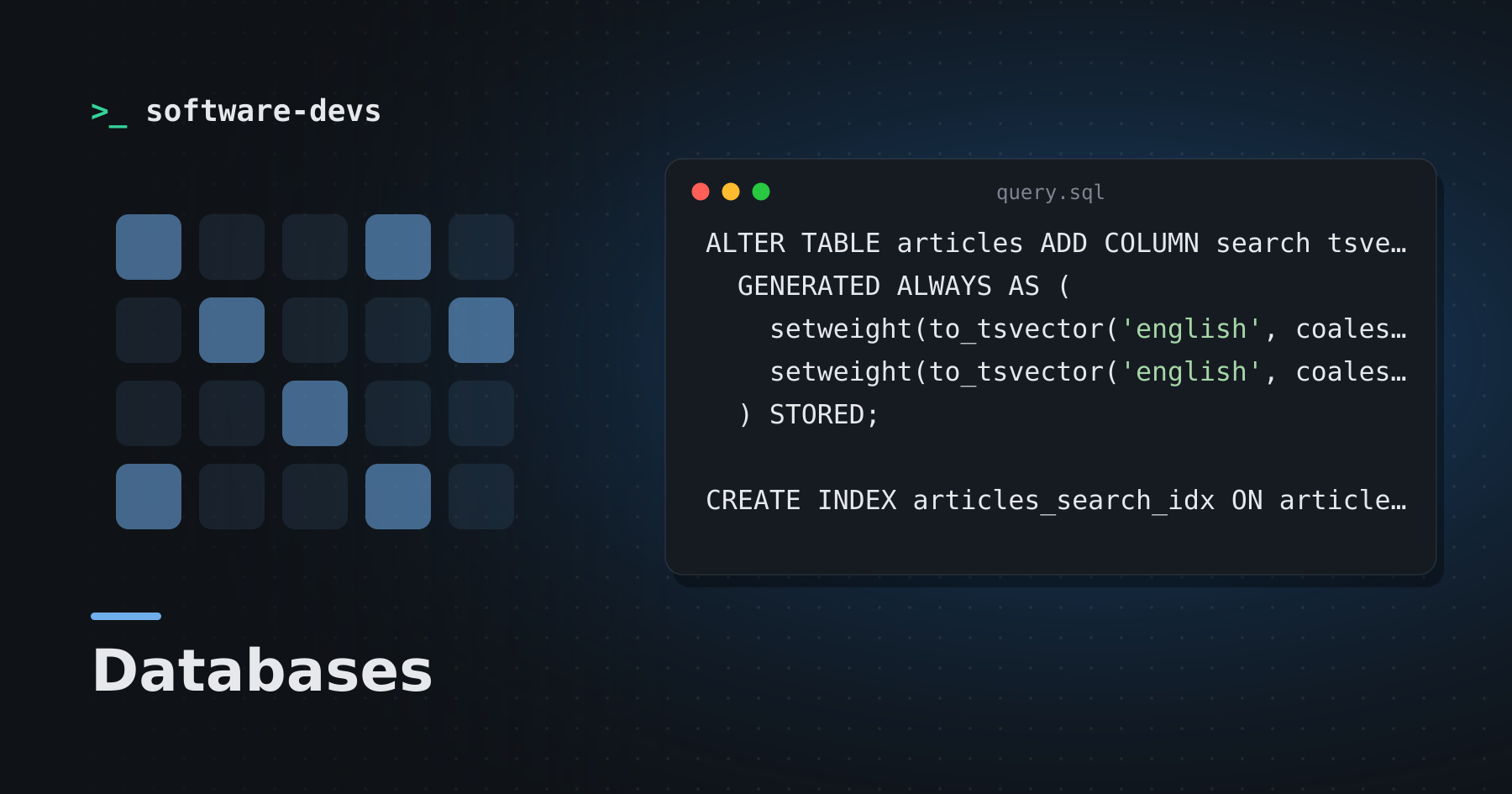
Before you add a dedicated search engine, check what your database already does. Postgres and SQLite both ship capable full-text search.
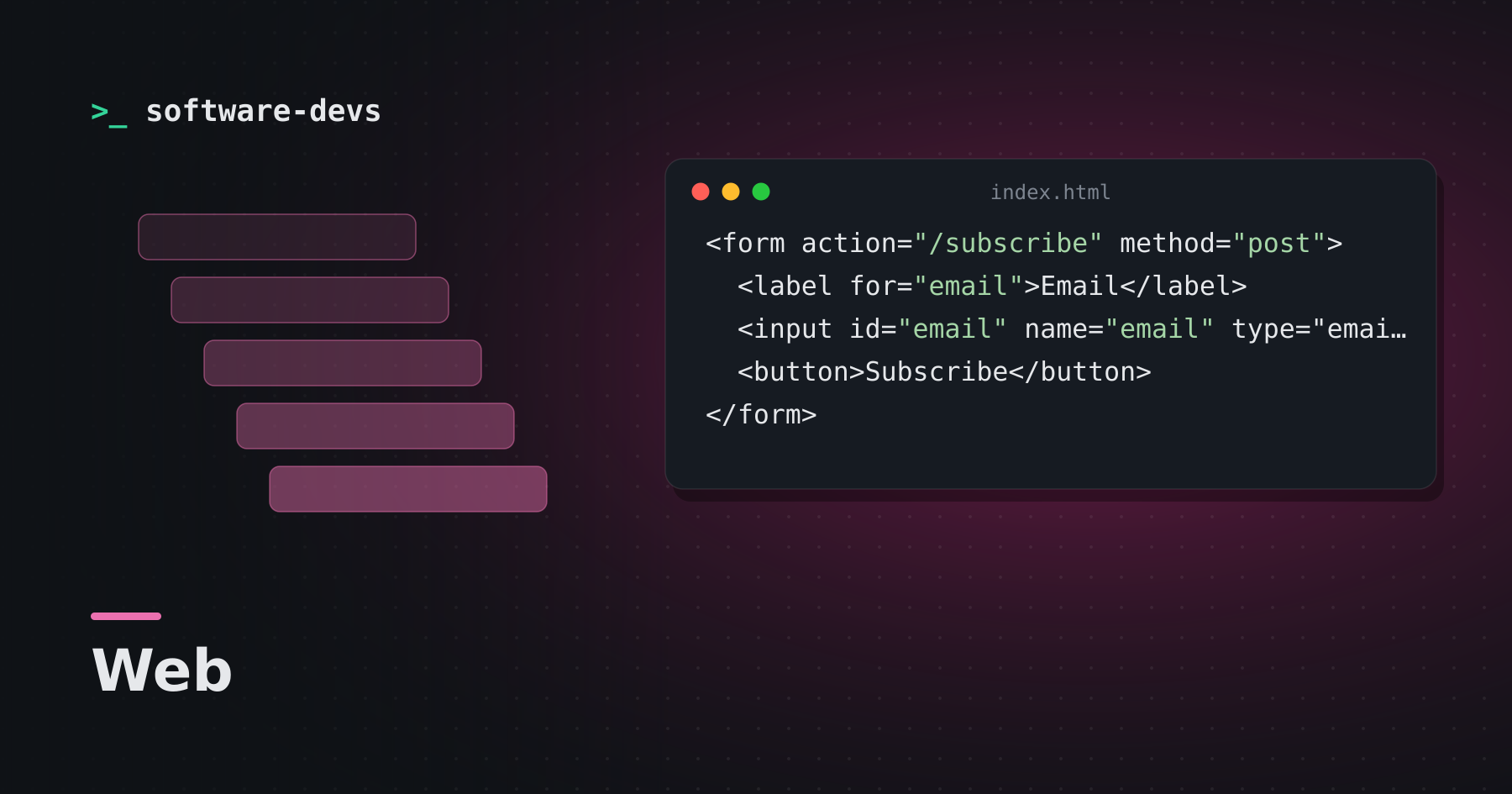
Start with HTML that works on its own, then layer on JavaScript. Your app gets faster, more resilient and more accessible almost for free.
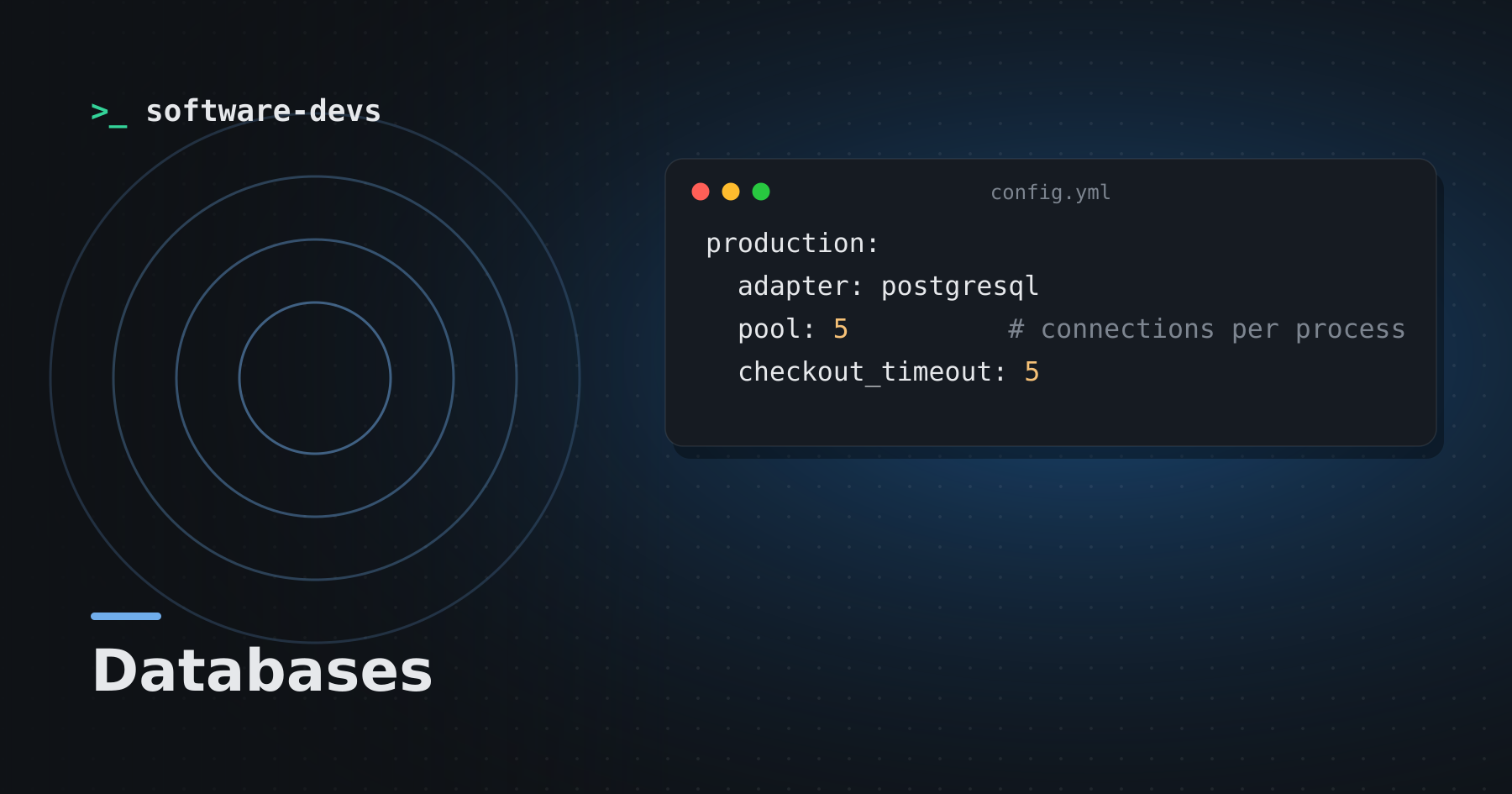
Hitting "too many connections" errors is a rite of passage. Understanding how pools work — in your app and in front of your database — makes them go away.
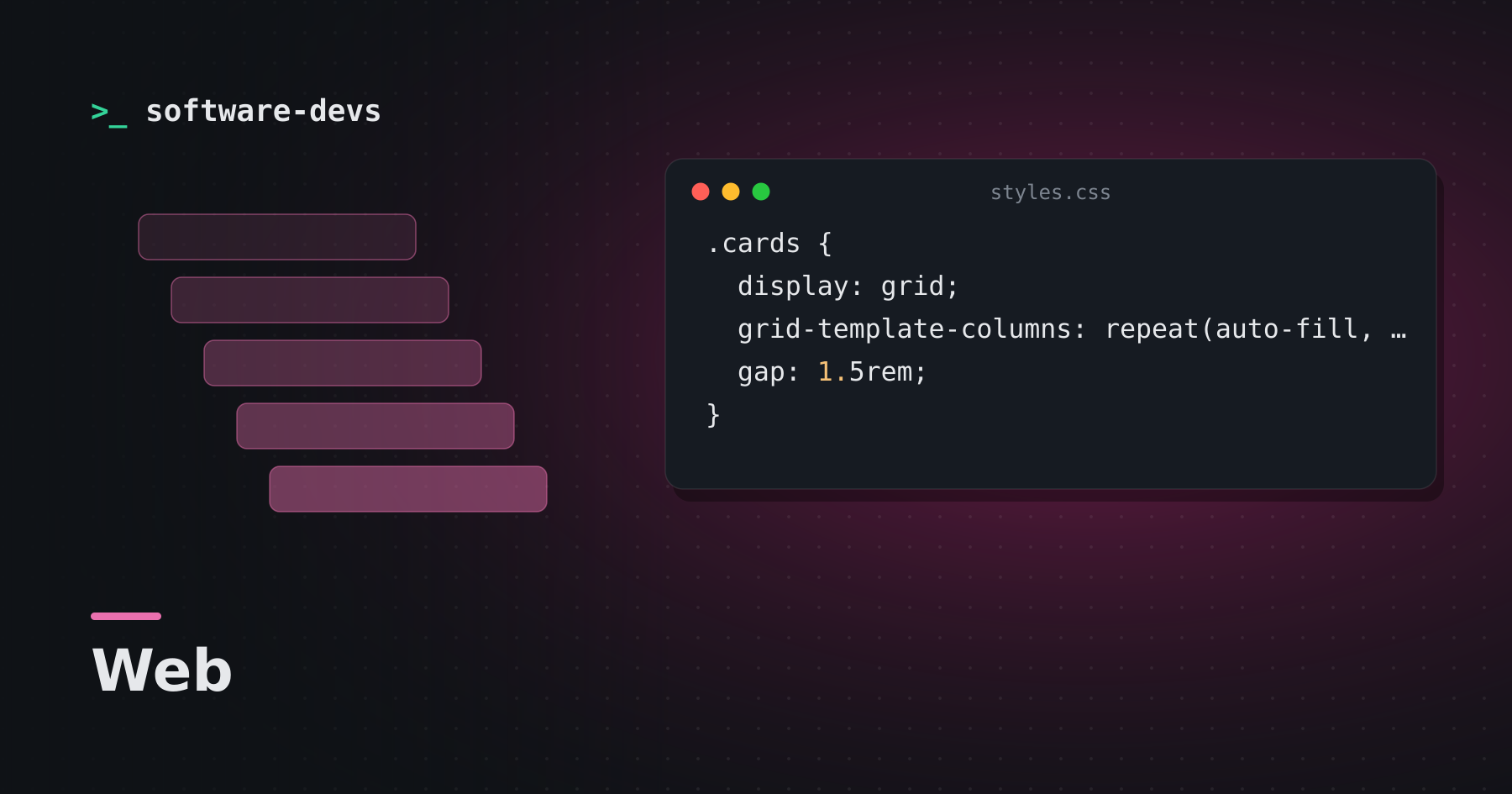
CSS has quietly absorbed features that used to need frameworks or JavaScript. A tour of the layout tools worth knowing now.
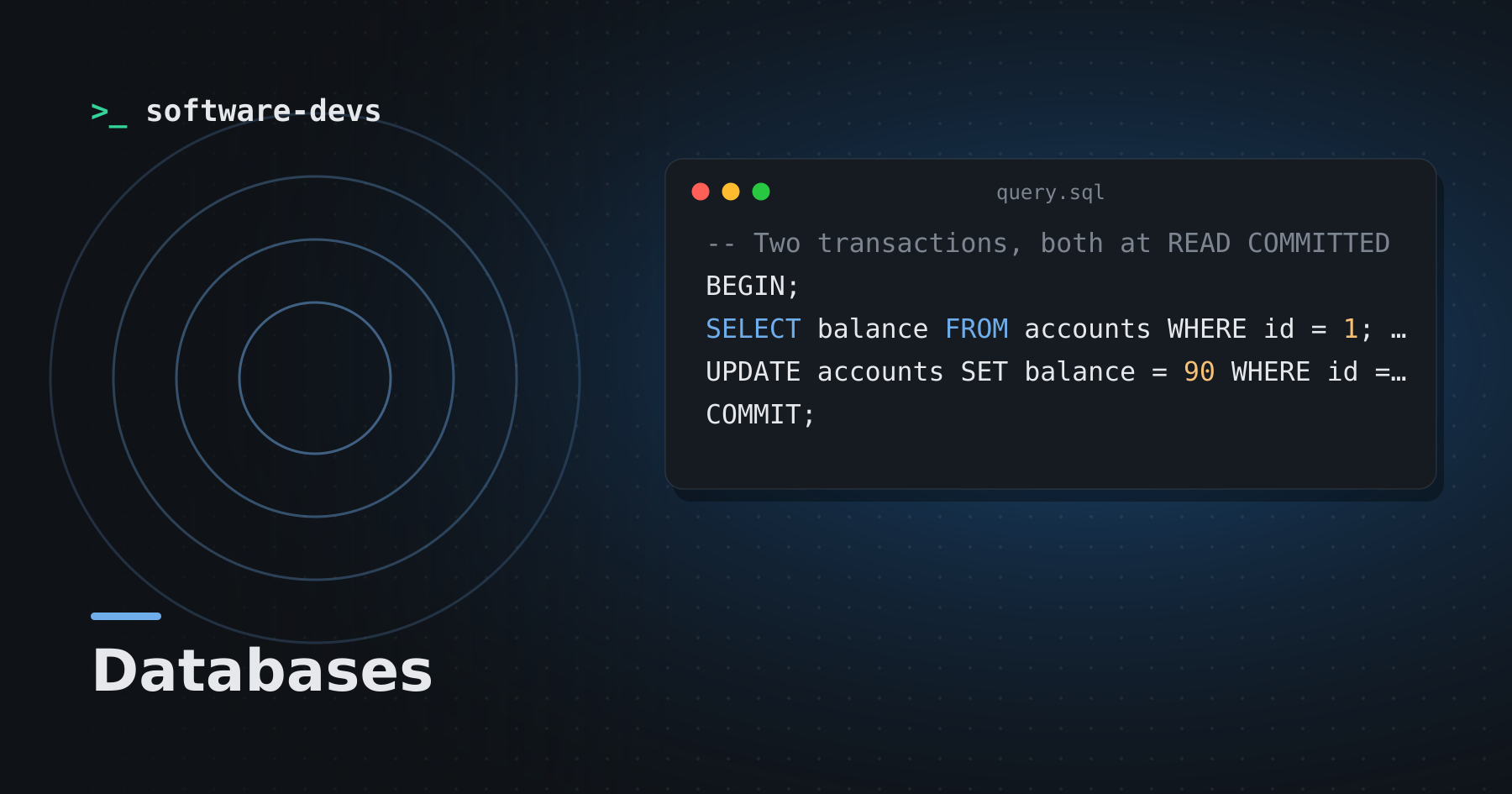
Your database lets concurrent transactions see each other in controlled ways. Knowing which anomalies your isolation level allows prevents subtle, expensive bugs.