Security
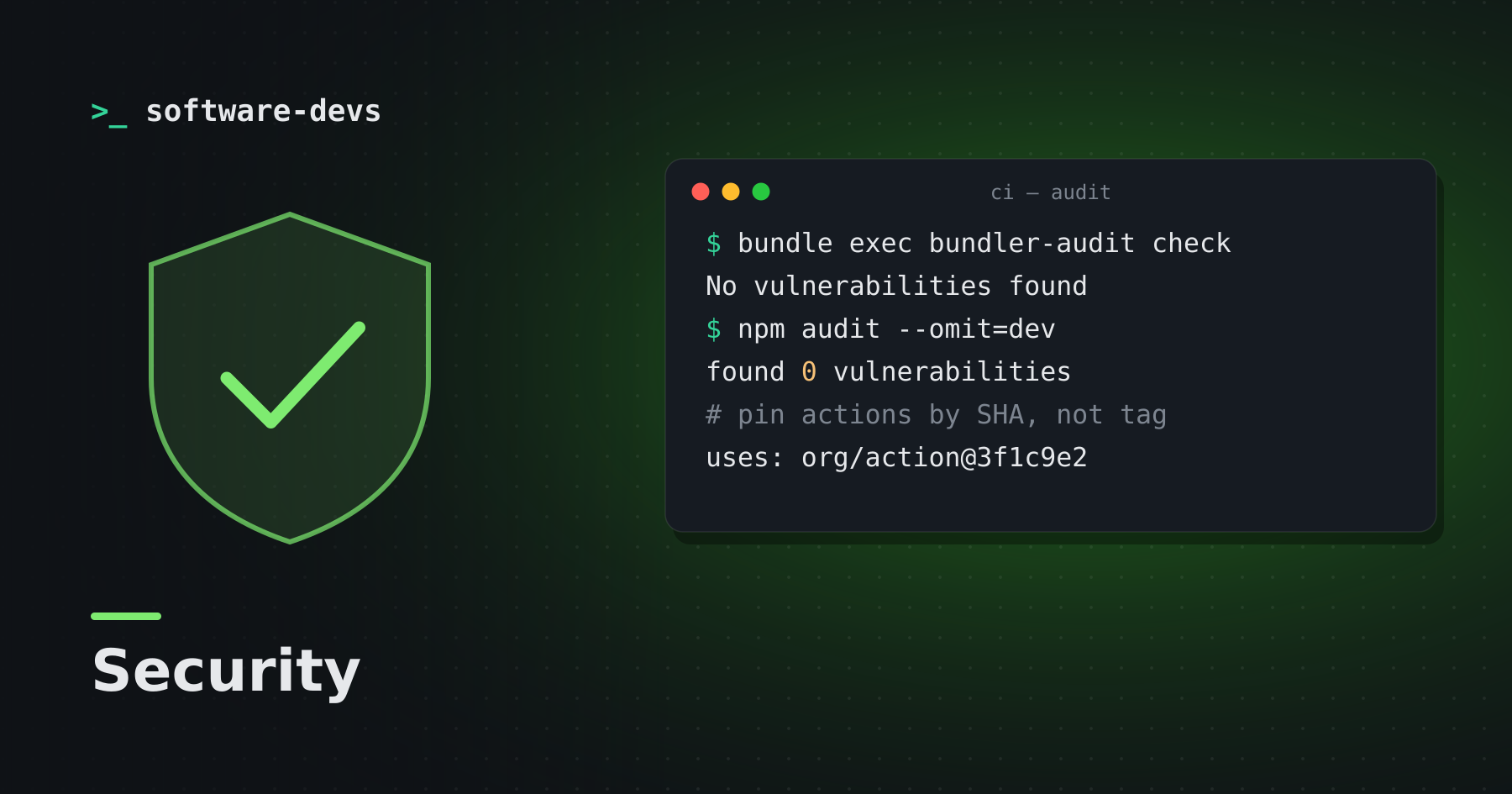
Your dependencies are your attack surface: a supply-chain security checklist
Most of the code you ship, you didn't write. A short, practical checklist for keeping third-party packages from becoming your next incident.
Tag
Every story tagged #security.
Most of the code you ship, you didn't write. A short, practical checklist for keeping third-party packages from becoming your next incident.
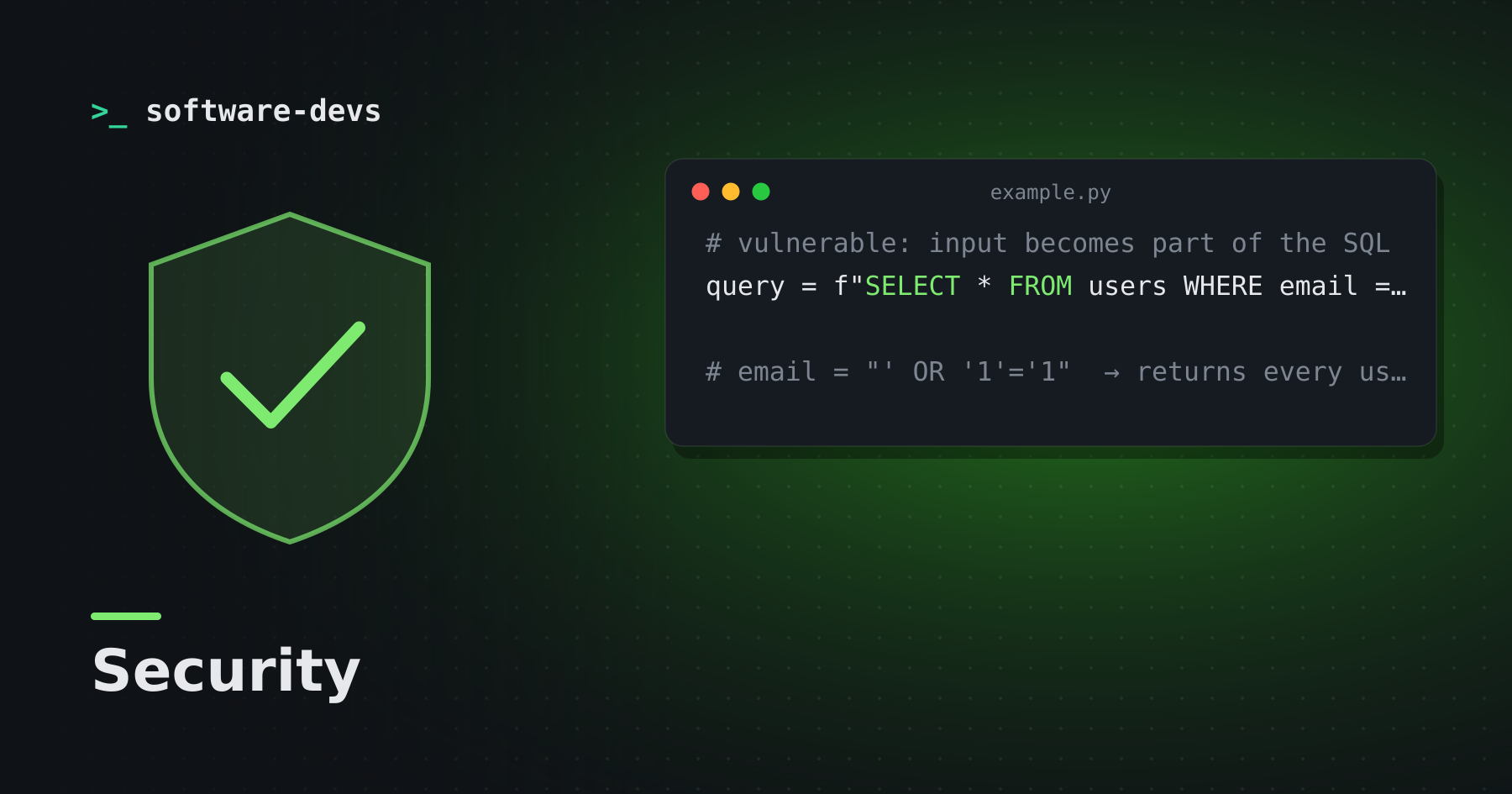
One of the oldest web vulnerabilities keeps showing up in new code. The fix has been known for decades — here's how to apply it everywhere, including the places ORMs don't cover.
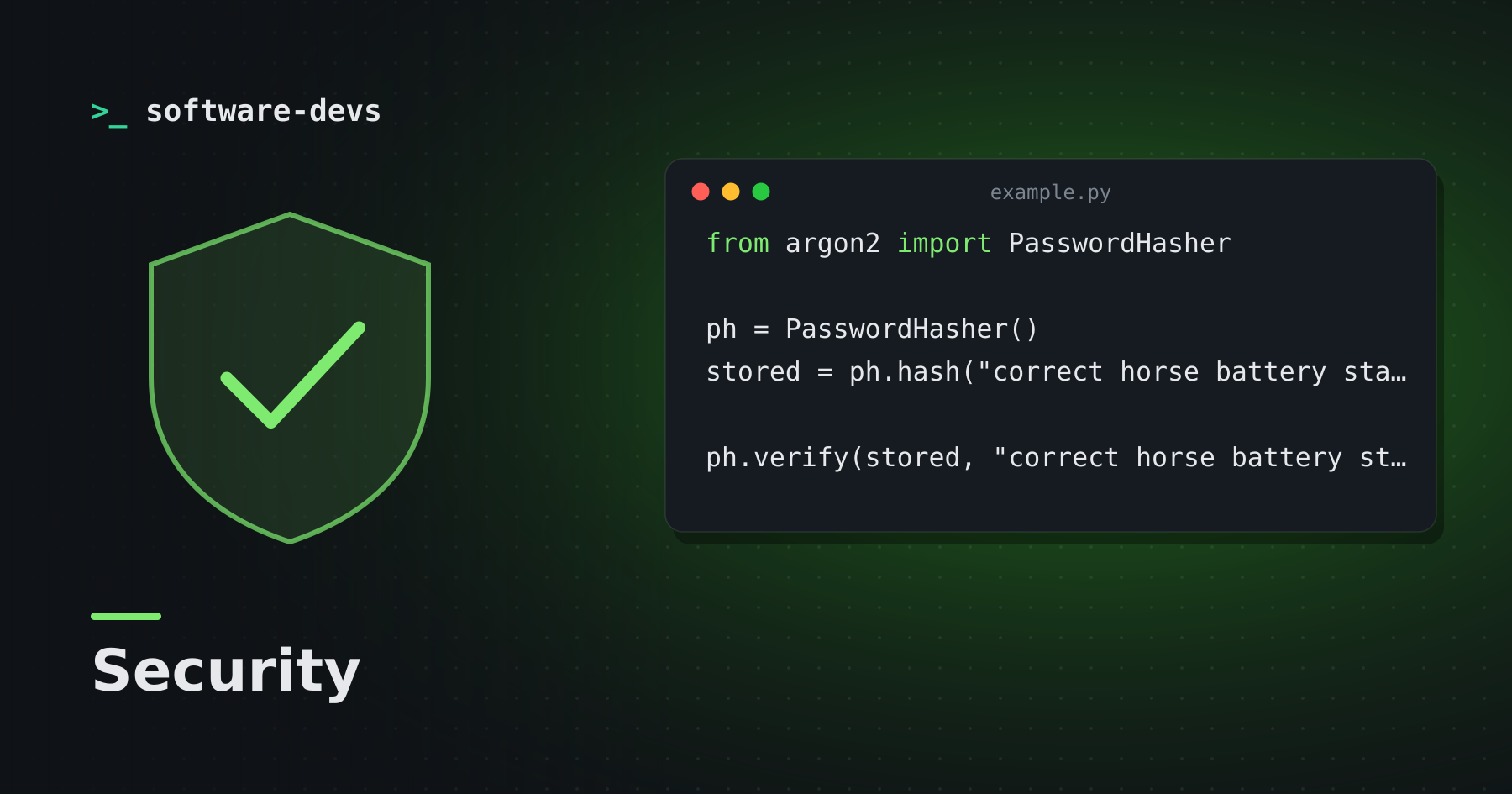
If your user table leaks, how you hashed passwords decides whether attackers get a list of emails or a list of working logins.
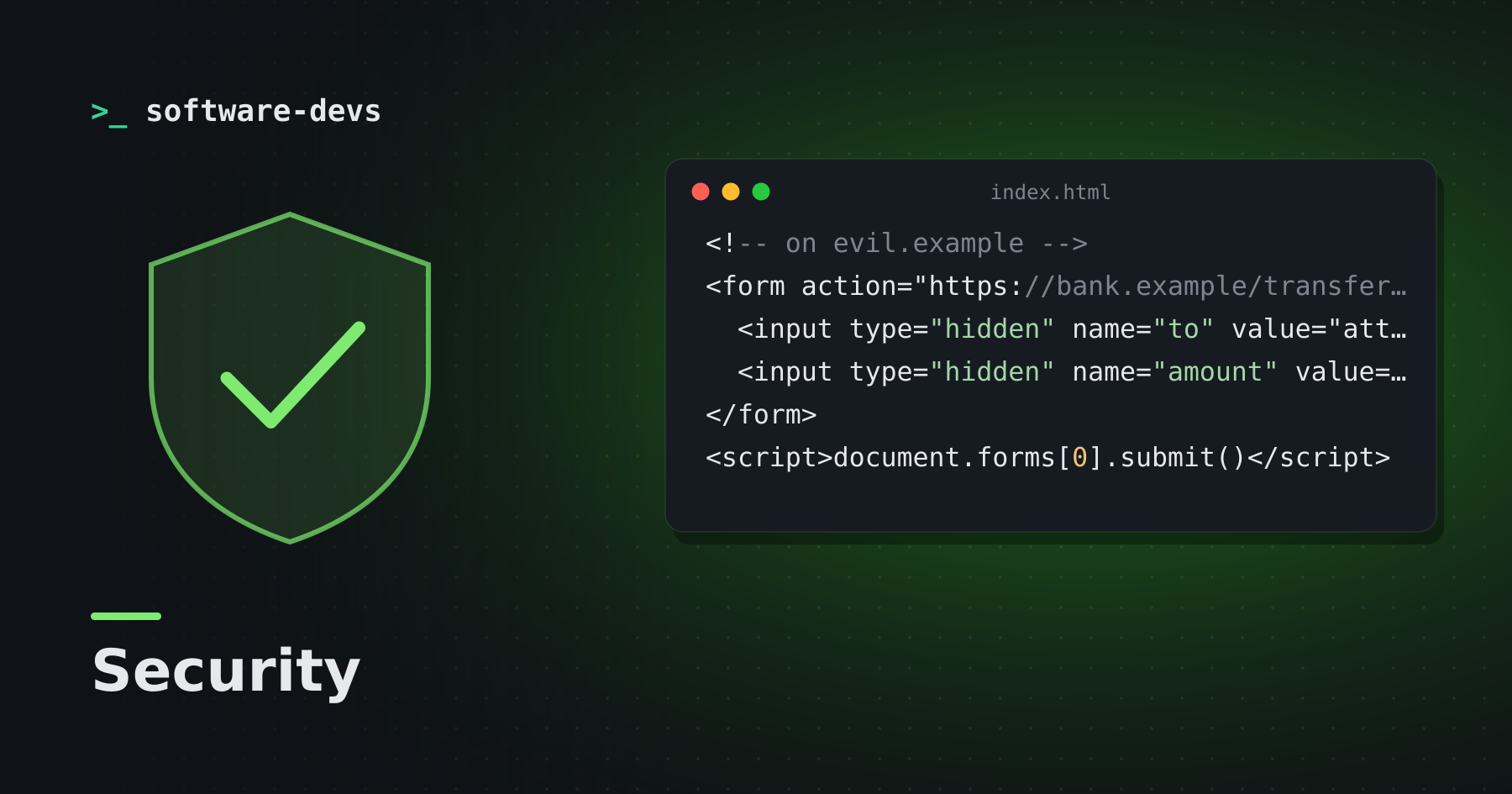
Browsers now block many cross-site requests by default. That helps, but it doesn't make CSRF tokens obsolete.
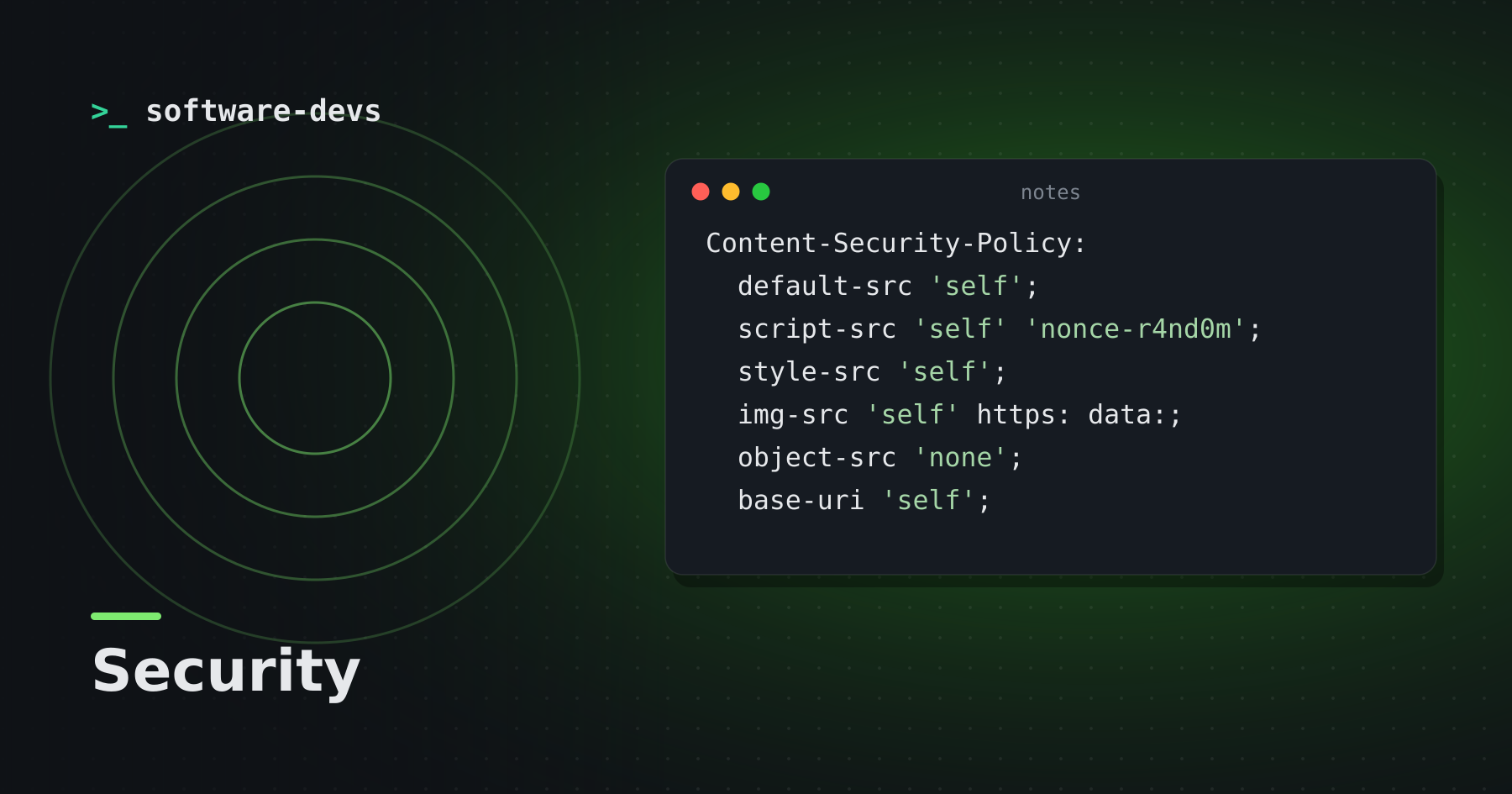
CSP is one of the most effective defenses against cross-site scripting. Rolling it out gradually is the difference between protection and a broken checkout page.
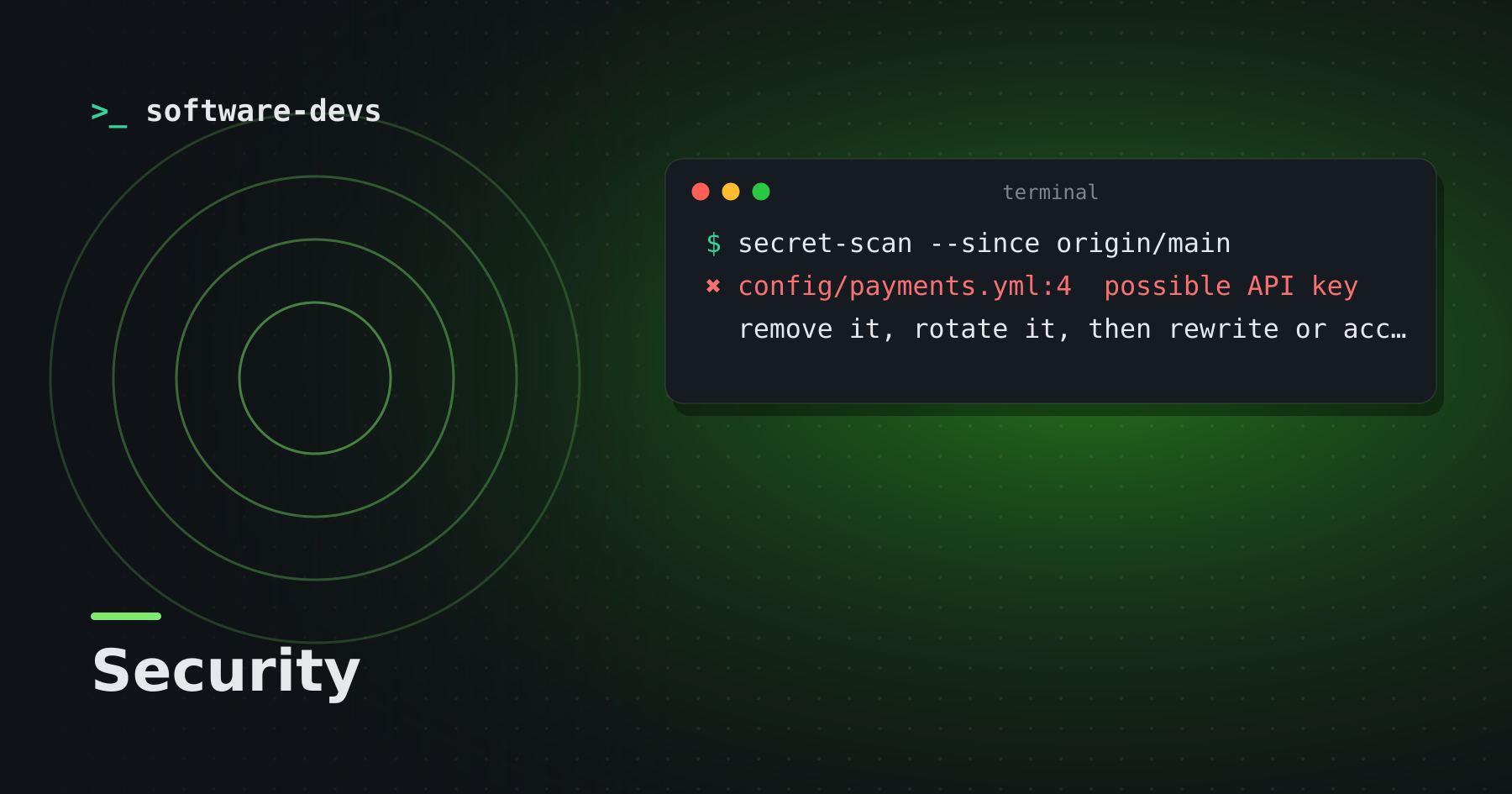
API keys in the repo, passwords in chat, one shared admin login. A practical path from secret sprawl to something you can actually audit and rotate.
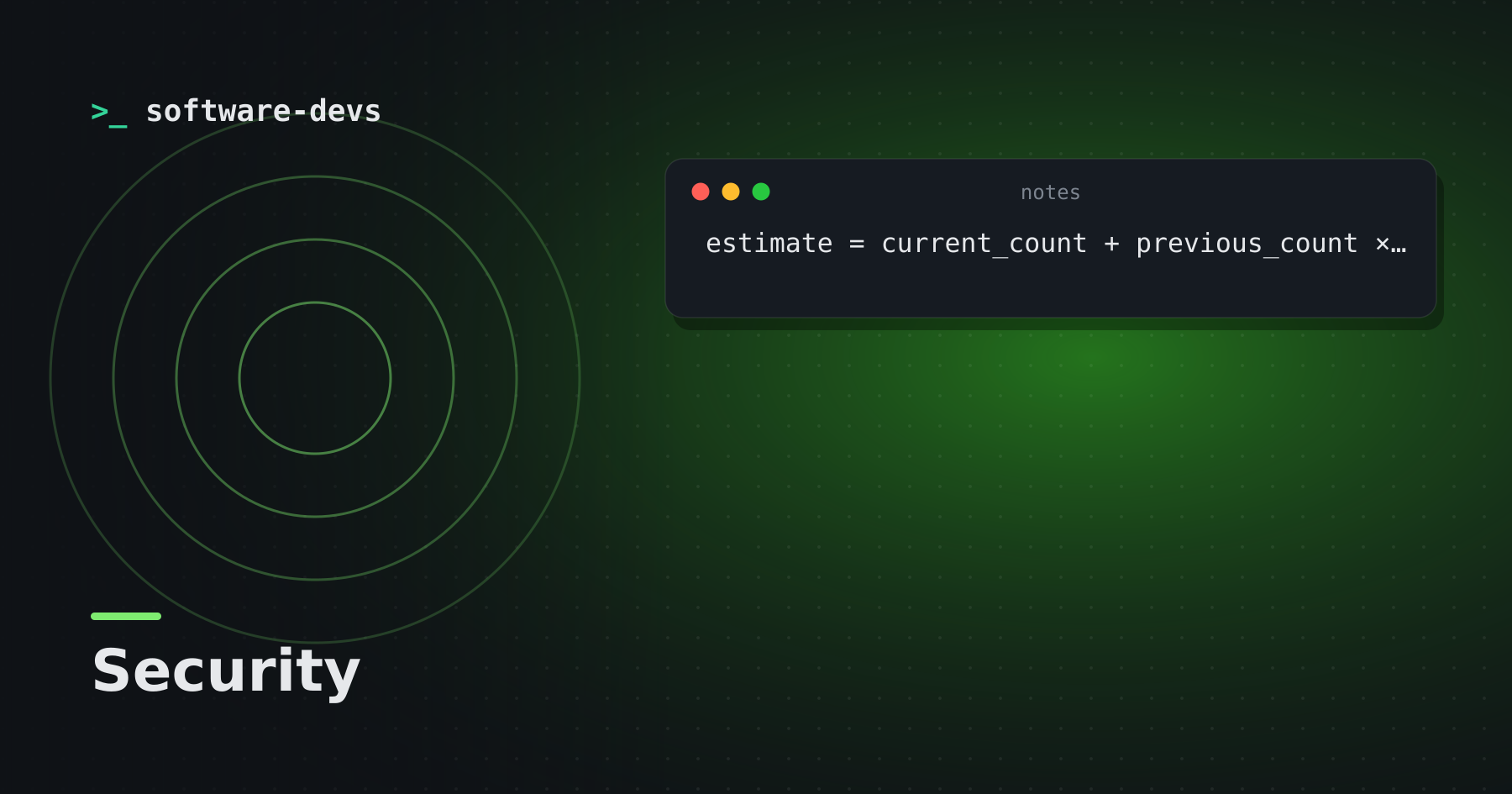
Rate limits protect logins from brute force and APIs from overload. The algorithm you choose decides how bursty traffic is treated.
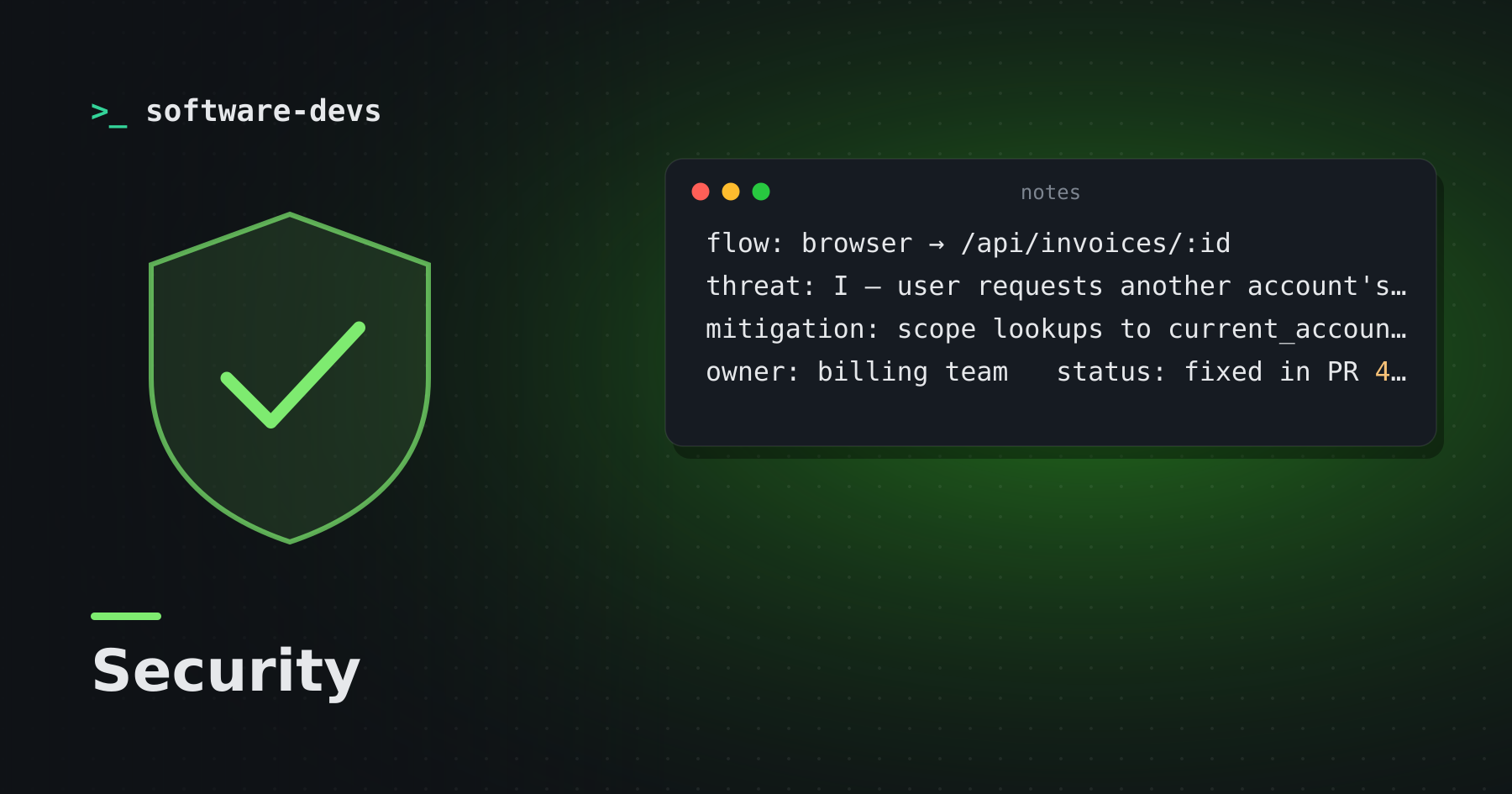
You don't need a security department to think like an attacker. A lightweight, repeatable session finds the risks worth fixing before they ship.
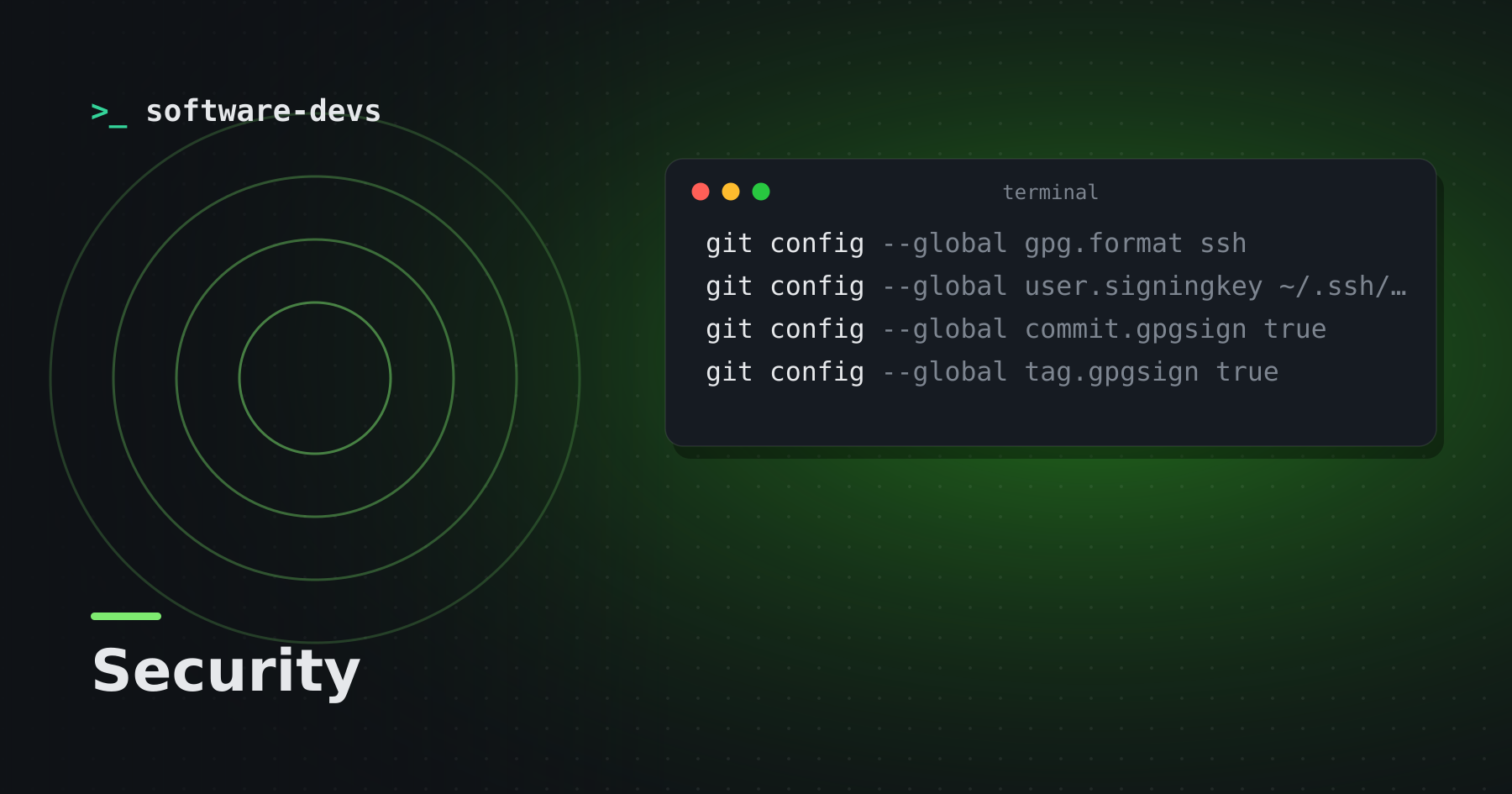
Anyone can set their git author name to yours. Signatures let you verify who actually made a commit, and which pipeline produced a release.